2025年11月5日水曜日

SDG 2-Nov 5

[Goal 2: Zero Hunger] 
Nearly 700 million people, or about 9 percent of the world population, are hungry, and the number is increasing. Also, more than 135 million people suffer from severe hunger largely due to man-made conflicts, climate change, the COVID-19 pandemic, and economic downturns. The majority of the world’s undernourished are still found in Asia and Africa. Also, an estimated 2 billion people in the world do not have regular access to safe, nutritious, and sufficient food.
Swift action needs to be taken to provide food and humanitarian relief to the most at-risk regions. Increasing agricultural productivity and sustainable food production is crucial to help relieve the perils of hunger.
Goal 2.1: By 2030, end hunger and ensure access for all people, in particular the poor and people in vulnerable situations, including infants, to safe, nutritious, and sufficient food all year round.
Goal 2.3: By 2030, double the agricultural productivity and incomes of small-scale food producers, in particular women, indigenous peoples, family farmers, and fishers.
Online Lesson-Nov 5

7:30 SDG Blog Review [Goal 1: End Poverty]
Blog [Goal 2: Zero Hunger]
7:48 Kikutan Read to review Day 51-> Day 52 Listen
Listen & Read aloud-> Check expressions-> Chants for word family-> Read aloud
Inside Reading Unit 7 Reading 1  Pieces of a Puzzle: Pangaea.
8:05 Read to review Words/Expressions #1 -> 8:10 Study Words/Expressions #2  [But How?] -> Read aloud Par. 8
8:35 Read and identify the professor’s seven suggestions, including dos and don’ts.
8:40 Blog Which professor’s suggestion do you agree with the most to improve your English reading skills? Why? 
=> Write your response in a paragraph. Write another paragraph about how you will study English.
9:00 Lesson Review  面談

2025年11月1日土曜日

Show & Tell-Nov 1

The last round! 
Nov 1    Shuntaro
Nov 8    Tamaki
Nov 15  Hanako
Nov 22  Ryotaro
Nov 29  Akinari
Dec 6    No Lesson
Dec 10  Sona
Dec 17  Shuntaro

SDG 1-Nov 1

 [Goal 1: End Poverty]
Among the world’s eight billion population, more than 700 million people, or nearly nine percent of the world’s population, still live in extreme poverty today, struggling to fulfill the most basic needs like health, education, and access to water and sanitation, to name a few. Most people living on less than $2 a day live in Sub-Saharan Africa. Worldwide, the poverty rate in rural areas is 17.2 percent—more than three times higher than in urban areas. The coronavirus pandemic seems to have increased global poverty by as many as half a billion people, or 8% of the total human population. The SDG’s first goal to end poverty in all its forms everywhere is the greatest global challenge facing the world today and an absolute requirement for sustainable development.
Goal 1.1: By 2030, eradicate extreme poverty for all people everywhere, currently measured as people living on less than $1.25 a day
Goal 1.2: By 2030, reduce at least by half the proportion of men, women, and children of all ages living in poverty in all its dimensions according to national definitions. 
Goal 1.4: By 2030, ensure that all men and women, in particular, the poor and the vulnerable, have equal rights to economic resources, as well as access to basic services, ownership, and control over land.

Online Lesson-Nov 1

7:30 Show & Tell => Q&A 7:35 
SDG Blog Review [What are SDGs-UNDP]
Blog [Goal 1: End Poverty]
7:50 Kikutan Review Day 50-> Day 51 Listen
Listen & Read aloud-> Check expressions-> Chants for word family-> Read aloud
8:10 Study Words/Expressions #1  [Intro, Sudden Events, Wegener’s Theory] 8:22
8:45 Reading Skill/p.129: Identifying the author’s purpose
-> A. Interpret/p.129-> B. Identify/p.129
9:00 Lesson Review   Show & Tell Schedule  面談

2025年10月29日水曜日

Complete the Sentences-Oct 29

Complete the sentences about what is/is not recommended to read in English faster and better. 
  => Students need to use their eyes to take in the words and use their brains to understand them.
What mistakes do students make when they are learning to read in English?
  1. It is not a good idea to move the mouth while reading.
  2. It is not a good idea to look up the meaning of each word.
Are there other problems that students have?
 3. It is not a good idea to read one word at a time.
 4. You should read in small groups of words or phrases.
How else can students read faster and better?
 5. It is beneficial to practice reading faster
 6. You can read faster if you set a fast pace for yourself.
Do you have any other good ideas for students?
 7. Students should mark up their books (with a pen, pencil, or highlighter).
8. Students can improve their English by making reading a habit/pleasure.

Write MIs-Oct 29

Read the Intro, Sudden Events, and Wegener’s Theory, and write the main ideas in 2 sentences.
Alfred Wegener, a German meteorologist, proposed his theory of continental drift in 1912 that continents were divided from a large continent and moved gradually to their current locations.
The theory was well evidenced, including fossils and geological structures, but it didn’t explain how the continents had drifted/moved.

SDG & LNOB-Oct 29

[What are SDGs-UNDP]
The Sustainable Development Goals (SDGs) were adopted by the United Nations in 2015 to call action to end poverty, protect the planet, and ensure people enjoy peace and prosperity by 2030.
They provide a comprehensive framework for addressing global challenges and advancing sustainable development worldwide. The SDGs cover a wide range of interconnected issues, including poverty eradication, health and well-being, education, gender equality, clean energy, sustainable cities, climate action, biodiversity conservation, and more. The 17 goals are integrated so that one area will affect outcomes in others to balance social, economic, and environmental sustainability. The SDGs are committed to by all UN member states and call for worldwide action among governments, businesses, and civil society.
Leave no one behind (LNOB) is the central promise of the SDGs. It represents the full commitment of all UN Member States to eradicate poverty in all its forms, end discrimination and exclusion, and reduce the inequalities and vulnerabilities that leave people behind and *undermine the potential of individuals and of humanity as a whole.    
      *undermine; weaken, reduce, impair, diminish, compromise, 

Online Lesson-Oct 29

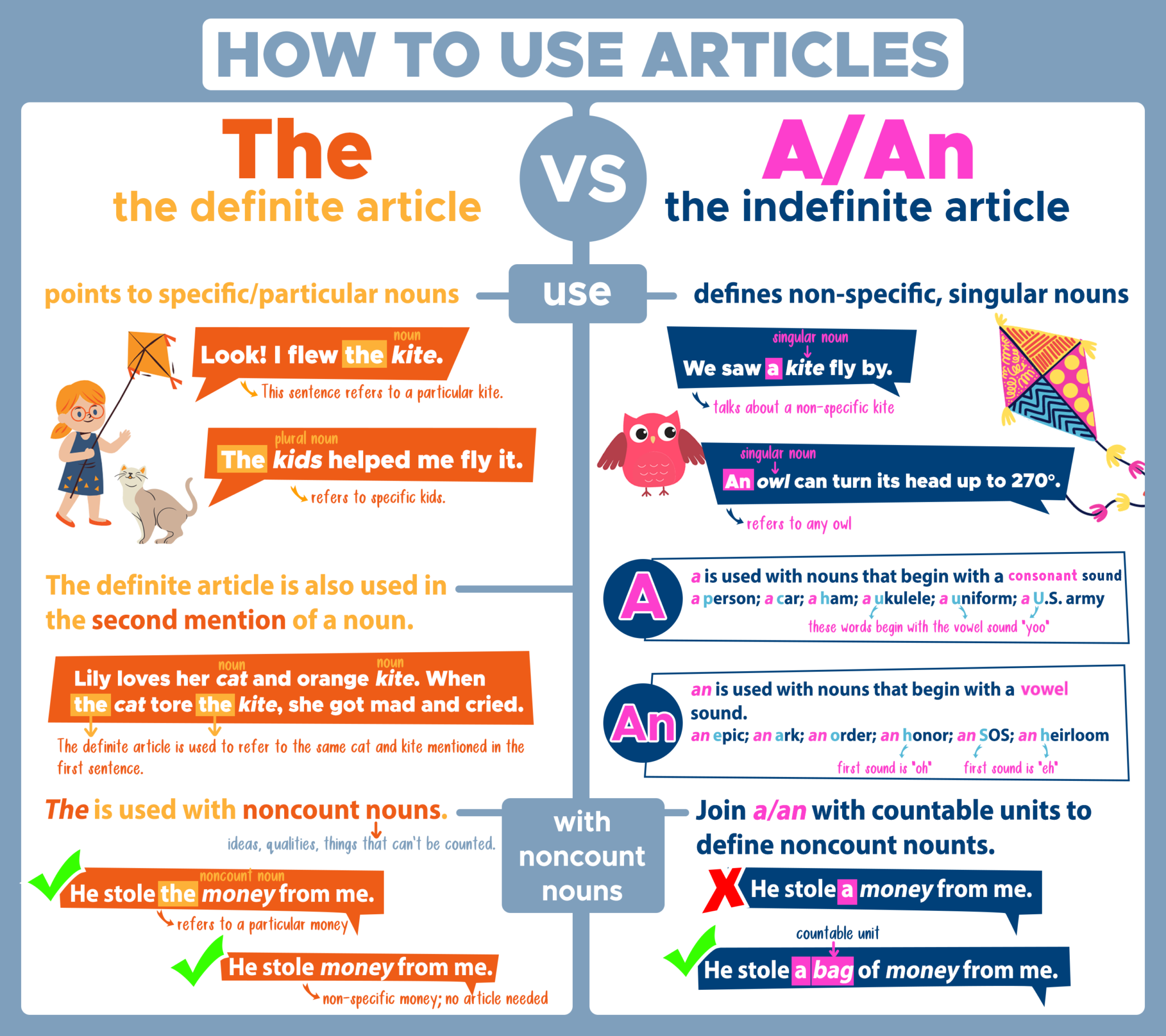
7:30 a/an, the Blog Review
7:37 SDG [What are SDGs-UNDP]
Blog The Sustainable Development Goals (SDGs)
7:48 Kikutan Review Day 49-> Day 50 Listen
Listen & Read aloud-> Check expressions-> Chants for word family-> Read aloud
Inside Reading Unit 7 Reading 1  Pieces of a Puzzle: Pangaea
8:05 Skim the text: Par.1, Subheadings, TSs -> Study the Illustration/p.99, Chart/p.100
Read Intro Par. -> Understand tectonic plates, mantle, and nucleus/core. => Image
8:10 Blog Read the Intro, Sudden Events, and Wegener’s Theory, and write the main ideas in 2
sentences.
8:38 CD Read-> C. Categorize/p.127
8:45 Blog Complete the sentences about what is/is not recommended to read in English faster and better.
9:00 Lesson Review  面談

2025年10月25日土曜日

a/an, the-Oct 25

  • Mark bought a bike. It was a mountain bike. It cost him $100. He liked the bike very much and rode it to school every day. 
  • An old man lived in a remote mountain village. He was a hunter. The man had no family but had an old, male dog. The dog lived with him for nearly 15 years. They slept in the same bed together. 
★Write four sentences to introduce something/someone. Use "a/an" in the first sentence.


Online Lesson-Oct 25

7:30 Show & Tell => Q&A
7:35 Blog the-a/an=> Write 4 sentences to introduce something/someone. Use "a/an" in the first sentence
7:50 Kikutan Review Day 48-> Day 49 Listen
Listen & Read aloud-> Check expressions-> Chants for word family-> Read aloud
8:08 Inside Reading 
U6-R2: Read to review words & expressions: Semi-starvation, Slow Recovery
8:15 Unit 7 Reading 1  Pieces of a Puzzle: Pangaea
Target Words: accommodate, fluctuate, integrate, restrain, reverse, rigid
World map/p.98 Africa’s western coast and the hump in South America’s eastern coastline?
8:20 Reading Comprehension: T/F, Mark the line #, Correct false statements 8:32 Breakout
8:45 Vocabulary -> Read aloud the definitions
Skim the text: Title, Subheadings
8:52 CD Listen by headline -> B. Identify
9:00 Lesson Review    面談

2025年10月22日水曜日

Online Lesson-Oct 22

7:30 Blog the-a/an

=> Write 4 sentences to introduce something/someone. Use "a/an" in the first sentence

7:45 Kikutan Review Day 47-> Day 48 Listen

Listen & Read aloud-> Check expressions-> Chants for word family-> Read aloud

Inside Reading Unit 6 Reading-2  The Minnesota Starvation Experiment

8:02 Review Words/Expressions #1 [Intro, Basic Design, The Good Days] 

Study Words/Expressions #2 [Semi Starvation, Slow Recovery]

Read aloud: Par.10

Read & Write

7:35 Blog Review the essay describing a special new school you are creating. => Revise

8:50 Unit 6 Q Classroom How can you learn faster and better? 

A.1. If you could improve the way that you learn, which way would you choose to improve?  

=> Speak your response in 3 sentences.

9:00 Lesson Review  面談